

That young man with
his hands behind his head.

Black men, be it known that: When we focus on the messenger as opposed to the underlying problem that the message has targeted, we often get caught up in a cyclical circumstance of trepidation, letdowns, and anger. Mind you, the messenger is always deceptive, conniving, patronizing, appeasing, unforgiving, culturally cohesive, and a genius at employing divide-and-conquer strategies. Black men, we are almost the complete opposite of the messenger by contrast. We are consoling and passive, but to a great extent, we have a peculiar willingness to inflict harm upon ourselves rather than allow our good attributes to work in our best interest. Essentially, whether we accept it or not, our behavior is that of a slave mentality, needing to be eradicated from who we are as an ethnic people. It is not until the latter comes to pass that we can become a formidable ethnic and cultural force, ridding ourselves of the slave mentality that has kept us divided for centuries while making the kind of constructive progress that other ethnic groups can only marvel at.
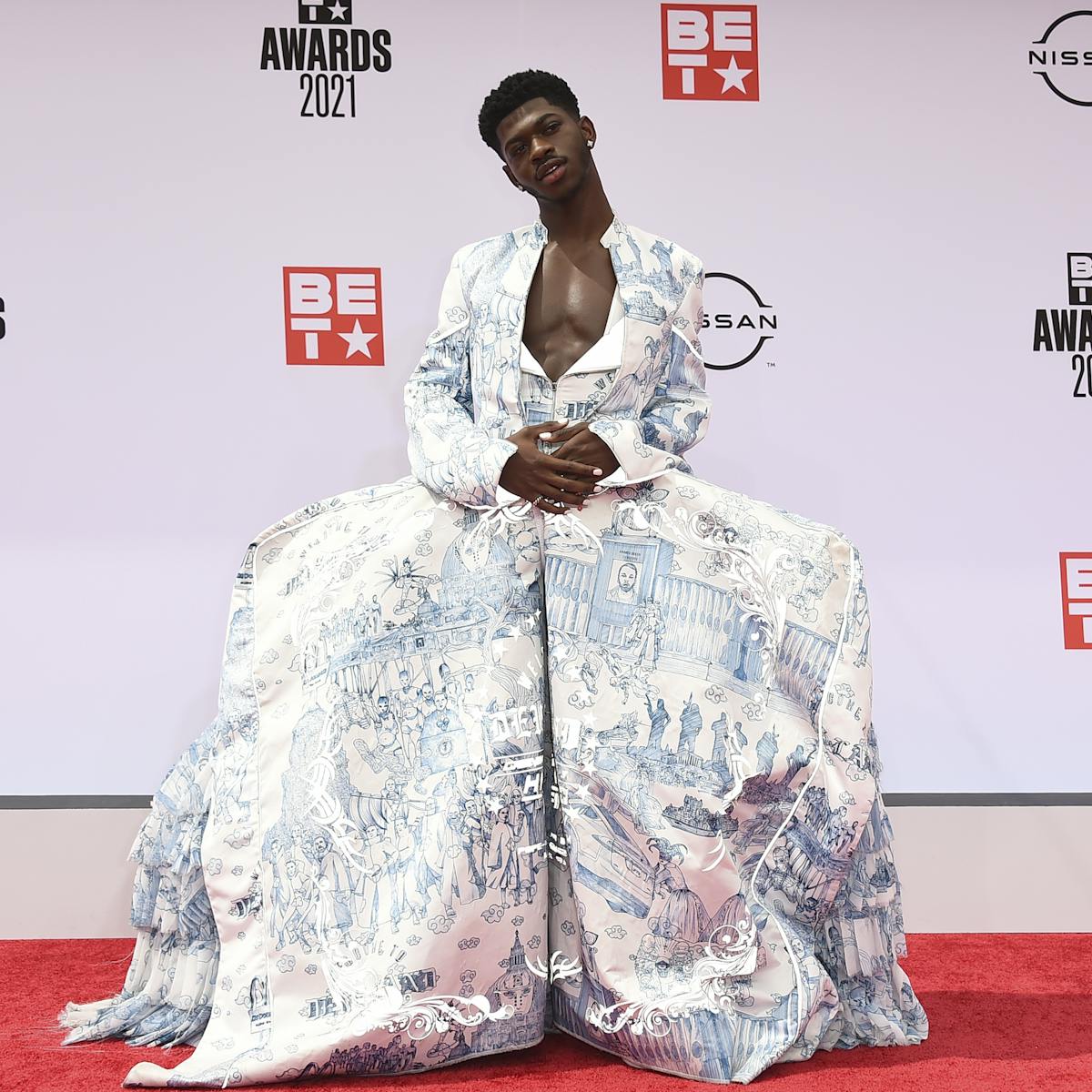
Likewise, in so many ways, Black men have been demoralized and encouraged to tone down their masculinity and dress like women. Black men are implicitly or overtly demonized for embracing their heterosexuality, and for decades, through mass incarceration strategies that are rooted in the ideals of the legacy of slavery, Black men have been systematically separated from the lives of their male offspring. As Black men, we often allow ourselves to be compromised by the allurement of material things, fame, and money. It has negatively affected our growth as a culture of strong Black men. We let other ethnic groups and the powers that be instruct us in condescending ways about how to be Black men by emulating their ethnic cultural blueprints. Are we not weary of all those inconveniences—often unrealistic, proprietary expectations from other cultures and ethnic groups?
Black men, if we’re either afraid or unwilling to take ENORMOUS risks to build and leverage our cultural and ethnic brand, then Black culture’s ship will never sail the vast oceans but just dally in the rivers and lakes of denunciation. So, will it be the messenger or underlying message that helps Black men change course for the continued liberation and amelioration of their communities? Who knows, but both options—at the very least—ought to be contemplated and perhaps considered highly motivating propositions to employ as practical building blocks.


1 Comment
Leave your reply.